Process Entry #4 (Optional).
Collaborative Class Blog – Week 4 Response
Metacognitive Reflection
137 words
This blog post is an optional process entry to give a glance at my progress in composing “thick description” after all the learning and practicing. I wrote this blog post about land reclamation after completing my first draft of the environmental autoethnography project. I used the technique I learned throughout the writing process to give a “thick description” of my city’s story. I also included others’ voices like my parents’ and my friend’s to implement both historical details and interactional details. I wrote this blog post in around half an hour, and by the time I wrote it, I believed I had already grasped the main ideas of how to construct a “thick description” properly. This blog post is like a mini-version of my environmental autoethnography project, and it reflects my progress along the writing process.
The Process Piece
Land reclamation is usually a controversial topic in many places around the world. Its supporters argue that land reclamation gives nutrient to city developments, while the opponents focus more on the environmental impact from land reclamation.
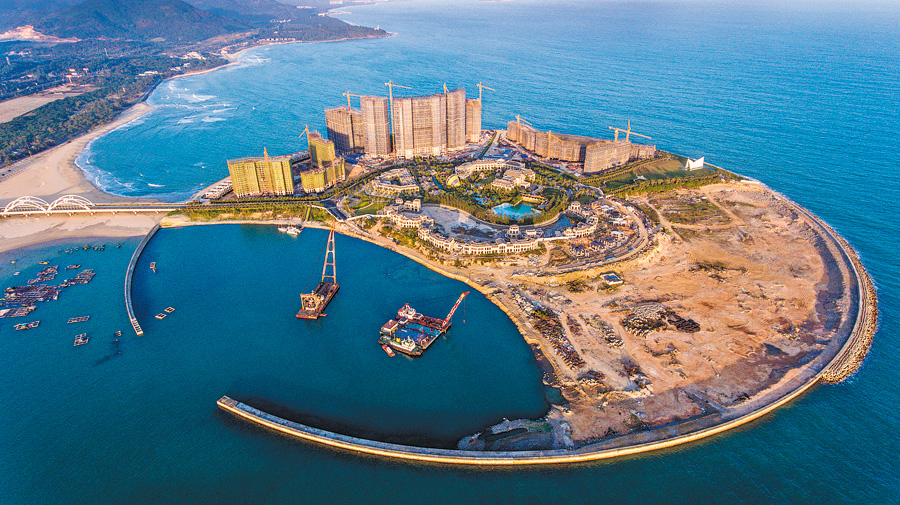
I’ve grown up in a coastal city named Shenzhen in China. The city has become an unstoppable engine in the sense of GDP growth since the policy of reform and opening up in 1980s. But the city’s development started to be capped by the land shortage by the end of 1990s. The government put their eyes on the ocean – where land reclamation is the easiest solution to the problem of land shortage. I lived in a place that has been deeply affected by the land reclamation. When I was very young, I could remember that the ocean was viewable from my home. I would often take a walk on the coast with my parents after dinner to enjoy the delightful smell of sea and sea breeze. But years later, as excavators and cranes came in, the coastal line was pushed forward by a few kilometers and I couldn’t view the sea anymore. The traffic in my area became much heavier than before, and my parents had to worry about my safety when I needed to cross the street for school.
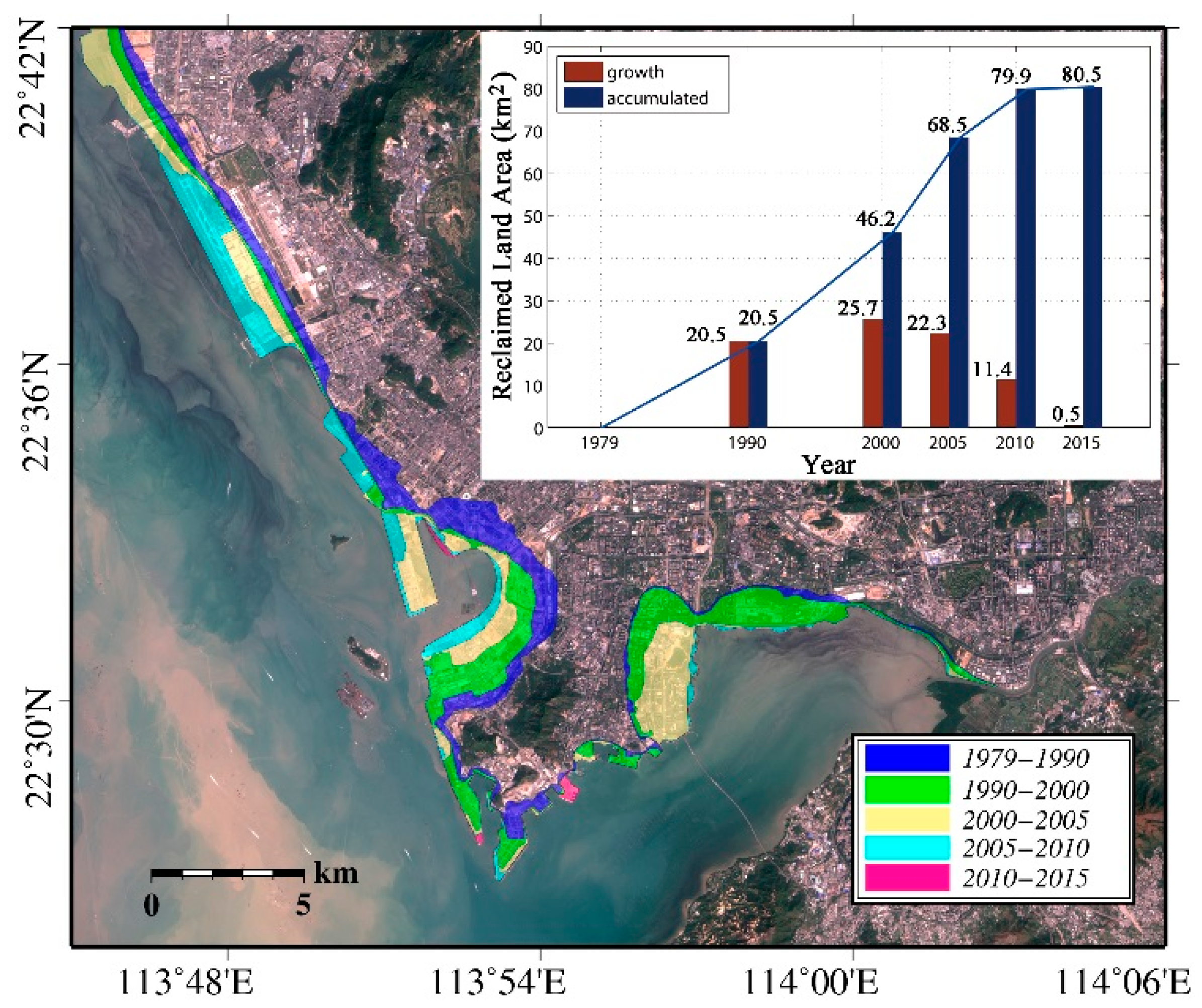
An interesting thing is most of the apartment buildings within four kilometers from the current seaside had once promote themselves as “the apartments with the best seascape.” When my parents bought our home in 1990s, the developer said the exact same thing. My mother once said to me, “our house was among the deluxe ones in the district. It had a spectacular sea-view with a convenient location. When the sale started, a lot of people even queued up in front of the sales office to secure a slot.” But no one had expected a rapid land reclamation project would start just years later, as she recalled. “The change happened so fast that in just several years, the price of our home dropped dramatically because the sea-view was obstructed. Although later the price came up again because of the land shortage, no one would consider it as a sea-view room again. It was just an apartment located at the center of the district.” My friend since primary school, Larry, also had this issue with his home. Interestingly his parents bought the apartment in the early 2000s on the newly reclaimed land. “My parents thought if you bought a house on the reclaimed land, you wouldn’t lose the sea-view just because, it was already the reclaimed land,” said Larry, recalling the scene when his parents decided to purchase the apartment. But sadly, more land reclamation came in and the sea-view of his home was ultimately obstructed by the new buildings in front. This vicious circle was finally halted by the government in 2010s as they decided to ban further reclamation in the area. For now, the apartments on the seaside, can finally hold their title of “home with the best seascape.”
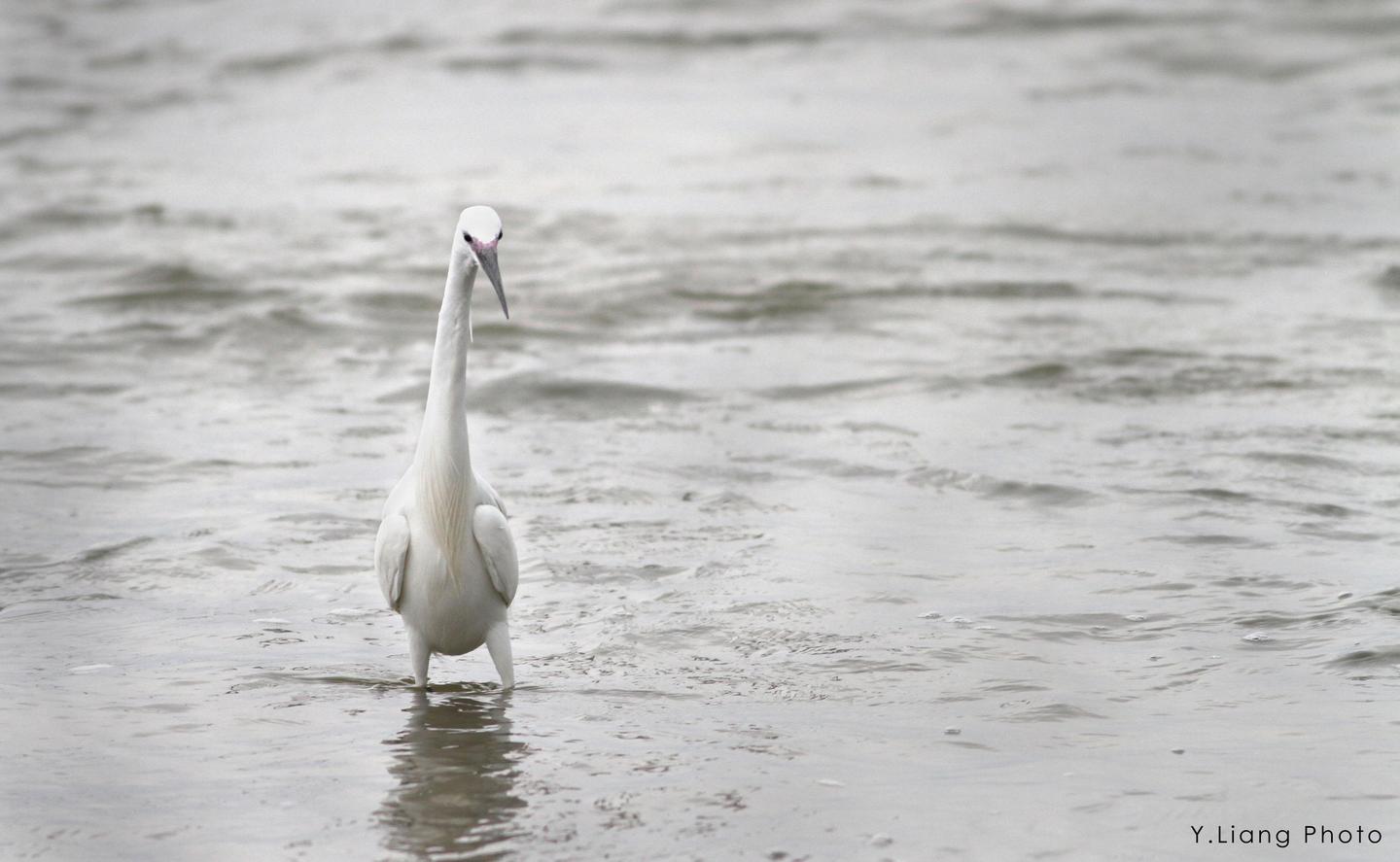
Land reclamation brought not only inconvenience to us, but also a significant impact on the coastal environment. Water pollution near the seaside had become serious during the land reclamation project. I remember that when I went cycling with Larry when we were at sixth grade, we tended to avoid the seaside bikeway because the smell from the ocean was irritant and really uncomfortable. Also, the land reclamation had destroyed the habitat for most migratory birds on the coast. My dad, a passionate photographer who loved to take photographs of seagulls, found it more and more difficult to take good photographs of seagulls because most of them were gone. For once, my dad was even willing to take an-hour drive to the other side of the city to take good photos of seagulls. Fortunately, the government began to realize the environmental issue and started a lot of environmental restoration project. Nowadays the water quality is definitely better than ten years ago, but the damage done to the ecology and the habitat of migratory birds can’t be completely restored. People need to think more about their relation with the nature and how can we balance the urban development and environmental protection.